Editor’s pick — Accessory quick take: key highlight (movement/specs for watches, materials/finish, limited run, pricing tier) in 1–2 lines.

In part one of this two-part story, we took a deeper look at The Watch Register whose parent company is The Art Loss Register, the oldest and largest database of lost, stolen, and looted art, antiques, jewelry, and collectibles. The Watch Register was established as a designated subset in 2014 in response to an uptick in watch and jewelry thefts as well as fraud. Following in its footsteps came a platform called My Stolen Watch in 2017. Then, just shy of a decade after The Watch Register came on the scene, one of the premier luxury groups, Richemont Group, decided to enter the space with its own dedicated database called Enquirus, launched just two years ago at Watches and Wonders in 2023.
According to The Watch Register’s competitor analysis, spelled out in its 10-year report from 2024, one of the key differences between its platform and its top two competitors is the human component. The Watch Register’s database is reviewed and managed by team members, including oversight checks after automation. In addition, it offers customer service support over both phone and email as well as a full specialist recovery service. As a result, The Watch Register is more costly as well as requiring more comprehensive details from its registrants and longer lead times in every step of the process, from the response time on database checks to the final recovery.
Alternatively, its competitors have taken a more automated approach, leaning on modern technologies like AI to provide faster and more affordable solutions as well as lower overhead investment. Looking specifically at Enquirus, the platform is entirely free to use and offers instant database checks as well as open access, providing a quick and easy 24/7 solution for searchers and registrants. While the loss of the human component throughout the review process leaves room for error in the registrant’s entry of pertinent details about their lost or potentially fraudulent timepiece, Enquirus has implemented AI image recognition as an added layer.

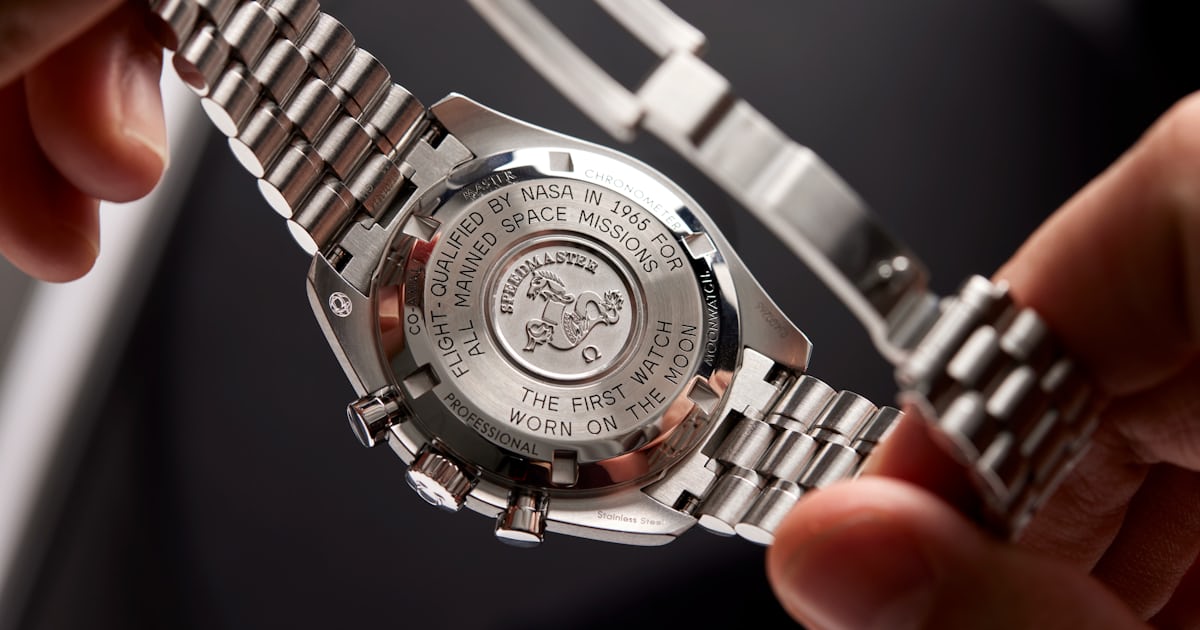
“With many watches, the caseback has multiple numbers, and it’s very important to identify them correctly or else the registration is going to be irrelevant and won’t work,” explains Sarah Dixon, Senior Project Manager at Enquirus. “With our AI imaging component, you can simply scan or upload a picture of the back of your watch, and then the serial number and any other relevant identifying numbers can be read correctly to check against fraud. You also have the option to scan or upload an image of a warranty card,” Dixon continues. “So, in the event of a loss where perhaps a caseback photo isn’t available but a warranty card is still intact, you can use our AI image recognition to identify the pertinent numbers from this.”
This AI technology plays a key role in two of Enquirus’ key pillars for two of its target client bases: for collectors, the ability to correctly register a watch, and for buyers and sellers, the ability to search the system to do due diligence before making a transaction. The third component, of course, is reporting a theft. However, it’s important to note with Enquirus, this simply flags a theft in the system to a global network of police forces, insurance companies like Hodinkee Insurance, and dealers across nearly 30 countries worldwide – the platform does not offer dedicated recovery services.
“Our main goal is to devalue stolen and counterfeit goods on the open market,” clarifies Dixon. “If our platform can identify a watch or piece of jewelry as stolen or fraudulent and it can’t be bought, sold, serviced, or even insured by a service such as Hodinkee Insurance, we hope to in turn reduce these items as targets and lower thefts and scams across the board.”

Although Enquirus was founded as a subset of the Richemont Group, it encompasses over 200 different watch brands as well as a handful of jewelry brands. “Richemont’s decision to establish Enquirus as a database of course came from our collectors,” affirms Dixon. “After filing a police report – which we always recommend as the first step – our clients would often come to us regarding the loss of a timepiece. But this is not just a Richemont problem – it’s an issue facing every brand in the industry,” Dixon continues. “And really, this problem cannot just be solved by Richemont or Enquirus. We need the whole industry working together, alongside authorities from law enforcement and insurance companies like Hodinkee Insurance. This collective effort is the only way we can identify counterfeit goods, recover stolen goods, and overall, prevent these items from circulating or being viable within the market.”
For more information on Enquirus, you can visit their website for additional details and to register your timepieces. Of course, for all your insurance needs, you can send us an email at [email protected].
Source: www.hodinkee.com — original article published 2025-11-10 20:00:00.
Read the full story on www.hodinkee.com → [source_url]