Editor’s pick — Accessory quick take: key highlight (movement/specs for watches, materials/finish, limited run, pricing tier) in 1–2 lines.

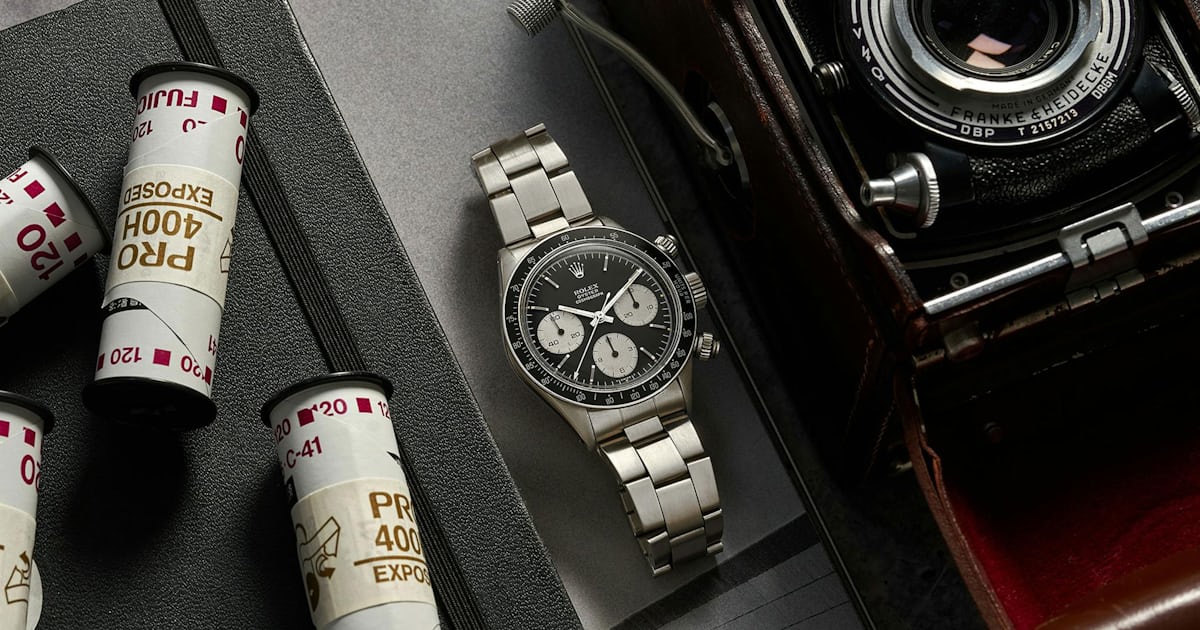
Watch collecting is deceptively complex and multifaceted. Today, there are more options than ever at our disposal when choosing the next watch. The number of brands on the market alone is at an all-time high, and new advancements are pushing the art form forward year over year, from material innovation to mechanical breakthroughs. Despite the evolution of the primary market, vintage timepieces can’t help but retain their allure and tug at our horological heartstrings – the vintage market remains incredibly strong.
“I think it’s important to contextualize why so many people are thinking about, talking about, and purchasing vintage at the moment – things in the primary market, at retail, from authorized dealers continue to be impossible to get,” affirms Charlie Manzo, Director and Watch Specialist at Winston Artory Group, a leading appraisal and advisory firm. “This combined with the collectors who have long appreciated the nuances of vintage watches that run so deep have really created a shift and focus on vintage.”

Part of what draws us to watches is that they take on a life of their own, and there’s no better example of this than reflecting on the stories vintage watches can tell. Patina, personalized engraving, a unique signature on the dial – each detail gives us context and a framework to understand a watch’s place in the past and present, and ultimately its value, both monetary and otherwise.
When it comes to getting an actual valuation of a vintage piece, there are objective and subjective factors to consider. The first and perhaps most concrete is the condition. “Anything unpolished is across the board more valuable,” Manzo emphasizes. Other aspects of the condition aren’t as straightforward. “Some people want perfect condition,” suggests Nate Borgelt, Bonhams’ Head of Watches for the Americas. “They want everything original, including box and papers.” Then there’s the flipside. “Sometimes, worsening condition factors can make a watch more valuable,” suggests Manzo. “Tropical dials are probably the best example of this, when it’s actually just moisture creating discoloration. A more controversial example would be spider dials,” he continues. “Some people love them, but it’s just cracked lacquer due to exposure to the elements.”
Provenance is another important factor that can objectively impact the value of a vintage piece, but once again, as you get into the weeds, there’s more subjectivity than meets the eye. “Military watches are a great case study in the way provenance impacts value,” describes Borgelt. “Across the board, there’s historical significance and often personal significance for a buyer or seller. A military watch used in service will usually have greater value than one that wasn’t. Similarly, a military-issued watch may have greater value than one bought at a PX,” he continues. “However, if the watch purchased at a PX has box, papers, and a purchase receipt, that could up the value.”

Perhaps the most variable factor affecting the value of a vintage piece is the ever-changing market. The word “market” alone casts a wide net over the vintage market, the primary market, and culture more broadly. “Looking at a top level, people who buy at the height of the market inherently become more emotionally invested and reluctant to sell down the line,” Manzo explains. “Then you can distill down to more specific examples of how the primary market impacts the vintage market,” he continues. “Take a look at materials – rose gold as a precious metal is just extremely popular at the moment, so vintage models in rose gold have grown in demand and increased in value.” Alternatively, Borgelt offers up a more regional example. “Ten or so years ago, the demand for Chinese market enamel dials boomed,” he describes. “There was a shift in economic and political restrictions imposed by the government that caused these watches to triple or even quadruple in value.”
I’ll admit, I wanted to explore how vintage watches are valued, hoping to walk away with some concrete, objective factors that would help collectors understand how their watches might be appraised, especially in advance of insuring them with an agency like Hodinkee Insurance. Whether buying, selling, or filing a claim, there doesn’t seem to be a standard valuation method beyond professional appraisal ethics (such as finding comparable pieces).
Yet, ultimately, the takeaway seems to be that valuing vintage watches is more subjective than I imagined. While you don’t need an appraisal for pieces under $100,000 with Hodinkee Insurance, it’s still important to be an informed collector who understands the value of your watches. We also encounter plenty of serious collectors who regularly have their entire collections appraised for added peace of mind, even if the value doesn’t cross the six-figure threshold.

Should you have a Hodinkee Insurance policy for those pieces under $100,000, you’re in control of the covered value you need, and as the market inevitably changes, you can adjust your own covered value. Hodinkee Insurance policies are also backed by appreciation protection, which safeguards against market price inflation that exceeds the insured value of your collection at the time of a covered loss.
Watch collecting can be an emotional practice, particularly with vintage timepieces. While we can acknowledge there are practical, financial aspects to collecting, it can be easy to feel these elements take away from the enjoyment and thrill that watches bring. Still, it’s important to understand the value of your investments and to protect them accordingly.
Have additional questions about valuations, appraisals, or your collection? We’re here to help, just send us an email at [email protected]. If you’re ready to start a policy, you can get a quote for your collection in just a few minutes. Click here to learn more.
Source: www.hodinkee.com — original article published 2026-03-25 17:00:00.
Read the full story on www.hodinkee.com → [source_url]