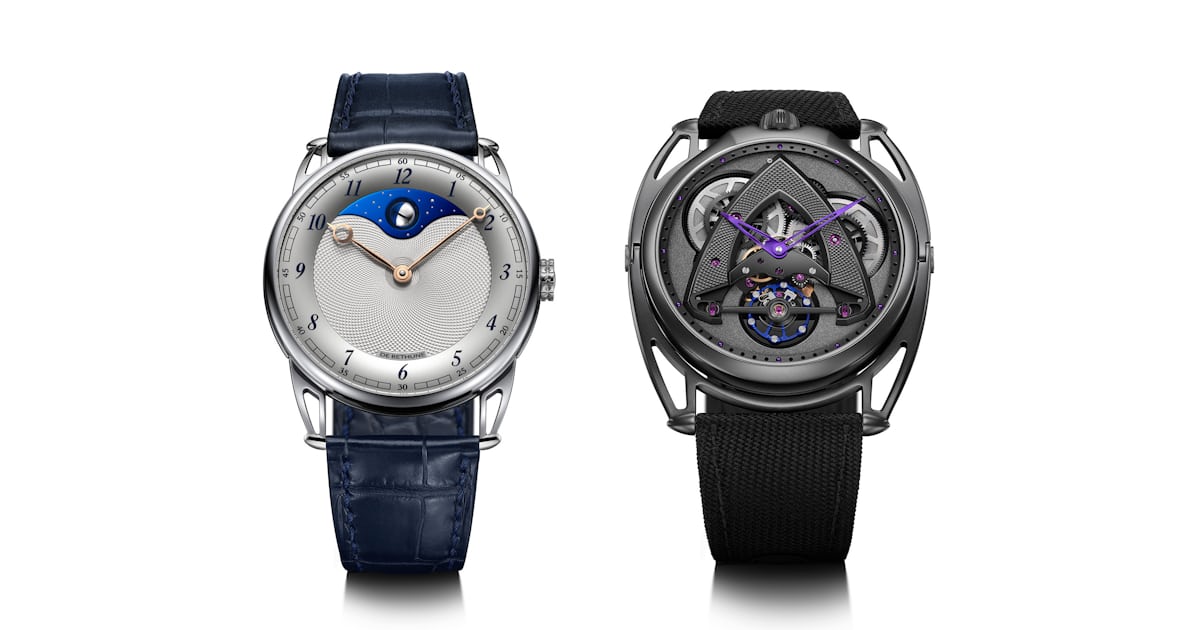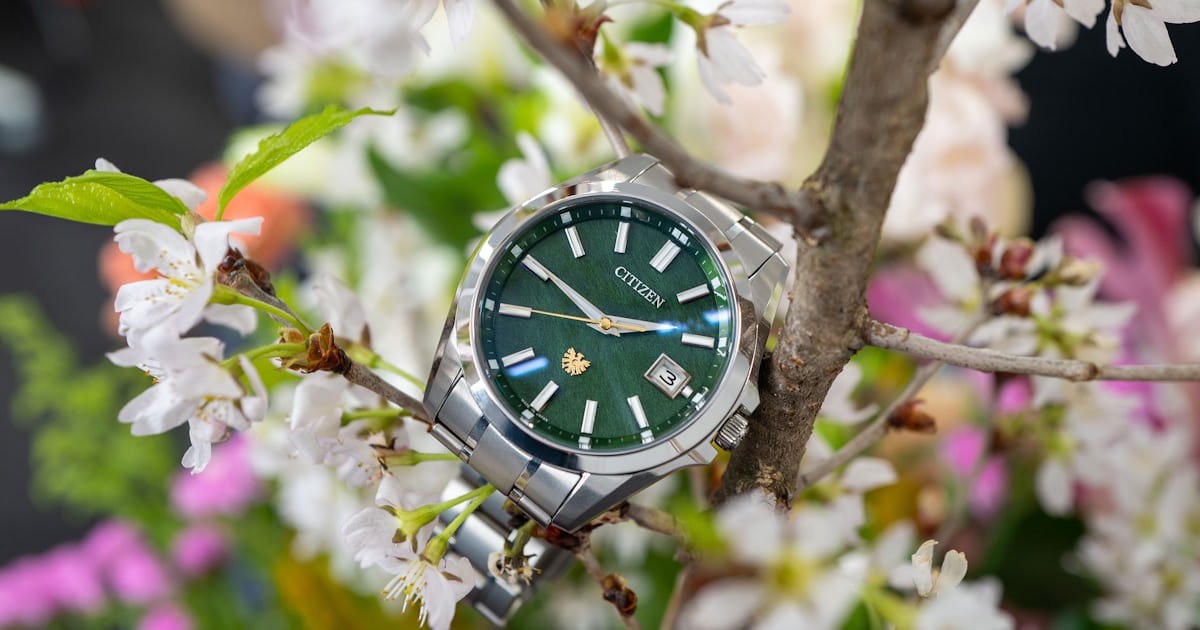
Editor’s pick — Accessory quick take: key highlight (movement/specs for watches, materials/finish, limited run, pricing tier) in 1–2 lines.

We’re not paying enough attention to Citizen Watches. Or, at least, I haven’t been. Sure, the occasional Aqualand or Promaster might sneak through my net, but if I’m being totally honest, going into my week spent exploring Japan with Citizen in celebration of 50 years of Eco-Drive, Citizen is not a brand I’d ever felt much urgency to think about. It seemed too ubiquitous, too familiar, to register as something enthusiasts were meant to seriously consider.
That perception is probably common for a reason. For plenty of people, Eco-Drive was the watch you first saw in a mall case, on a relative’s wrist, or that was explained to you by someone excited about it being powered by the sun. Citizen has sold Eco-Drive watches on an enormous scale, and that kind of visibility can sometimes obscure what’s actually interesting about them.

Eco-Drive’s popularity is substantial. Since its introduction in 1976, Citizen estimates that the technology has prevented the use of roughly 100 million watch batteries. Stacked end to end, that’s the equivalent of about 3,600 Mount Everests. But it turns out that achievement only scratches the surface. What I hadn’t appreciated is that ubiquity and serious watchmaking aren’t mutually exclusive. Beneath the scale and familiarity is a product backed by a half-century of innovation and, what surprised me most, a watch that still involves a meaningful amount of hand assembly.

The original Eco-Drive watch, the Citizen Crystron Solar Cell, from 1976.

A “reflector.” This reflective (but still transparent) disc sits below the top-level dial on many Eco-Drive watches, helping to achieve a more reflective look without compromising the light transmission Eco-Drive watches demand.

A modern Eco-Drive Solar Cell. Impressively thin, and impressively efficient. The latest Eco-Drive watches can go without light for a full 365 days.

Mr. Shoichiro Morita, one of Citizen’s leading movement developers, wears the Citizen 0100, a watch whose movement he was crucial in developing, and which was the first watch (and movement) accurate to ±1 second a year.
That shift in perspective was my takeaway from a week spent exploring Japan in celebration of the 50th anniversary of Eco-Drive with Citizen. Through my time with the brand, I had the opportunity to visit its headquarters-based museum in Tokyo, the Kawaguchiko Dial Factory at the foot of Mt. Fuji, the Miyota Saku Movement Factory in Nagano Prefecture, and to experience just a sliver of what Japanese culture has to offer.

A vintage, automatic Citizen Leopard with a unique day and date setting mechanism.
A week later, I came back smitten. Not just with Japan, but with Eco-Drive, and with Citizen… and yeah, especially with Japan. But more on that later. For now, please enjoy this rare look behind the curtain into the world of Citizen watches.
Citizen Museum, Tokyo, and Kawaguchiko Dial Factory
Sitting at the heart of Citizen’s corporate headquarters in Tokyo, the Citizen museum offers a rare glimpse into the history of a brand far more storied than you might expect. With a history dating back over a century, Citizen uses its museum to showcase its impressive array of horological “firsts.” The museum also houses watchmakers from Citizen’s R&D departments, who work to maintain the museum collection and advance the technical side of Citizen watches.

Original Blueprints for the first Citizen Pocket Watch.
About two hours outside of Tokyo by bus, at the base of Mt. Fuji, and next to a shockingly active amusement park that doesn’t remind you at all of a horror movie or an old episode of Scooby-Doo, you’ll find the Kawaguchiko Dial Factory. This factory, one of 17 Citizen factories sprinkled across Japan, is responsible for, among other things, the conception, development, and creation of every single Citizen Eco-Drive watch dial.

All in all, the Kawaguchiko Dial Factory produces about 15,000 Eco-Drive watch dials each month, no small feat, especially when you learn that, though individual elements, like dial furniture and solar wafers, are produced by impressive automated machinery, each and every dial found in an Eco-Drive watch is printed, assembled, and quality controlled entirely by hand. The most complex dial in the Eco-Drive lineup may be touched by as many as 15 different sets of hands before reaching the end of the process.
More amazing than that, the error rate of this incredibly human process? 0.01%.

A Japanese exclusive Citizen Campanola.

The watch that got me thinking we should all be on the lookout for vintage Citizens.

Another JDM exclusive. The Exceed name won’t be particularly familiar to North American enthusiasts — but maybe that needs to change?

Mother-of-pearl sheets are delivered to Citizen already cut to 1/100th of an inch thick — thin enough to read a newspaper through. Shaping it from there is its own challenge.

The archives are extensive.
Miyota Saku Movement Factory
Miyota is probably one of the most recognizable names in the watch industry. Miyota movements, both quartz and automatic, find themselves in watches made by the most varied and distinct brands you could imagine, from high luxury marques to entry-level micro brands just looking to make a name for themselves. Whether or not you’ve owned a Citizen, you’ve likely owned a Miyota, and that watch movement was likely born here — at least, since 2016, when the Miyota Saku Movement Factory first opened its doors.

To achieve tolerances tight enough for this display piece, the cut-out and insert pieces need to be cut from separate blocks of steel. The result is an almost invisible seam between the two when seated together, and a surreal desk ornament for anyone lucky enough to come across one.

Each gold spec is a brass movement plate suspended from a metal cable. First displayed at Baselworld, you can find a similar installation at Citizen’s flagship boutique in NYC.

A somewhat jolly sign (which translates to Watchmaking Technology or Horological Technology) marks the entrance to Citizen’s watchmaking school, where employees undergo at least 4 months of training before they ever touch a production-ready Citizen watch.

These wood plaques mark the certifications of watchmakers working in the Miyota Saku Movement Factory.
In this building, seemingly infinite lengths of copper wire are wound each second, factory lines built on half-century-old bases and updated with modern fittings turn out a movement a second. Each. And, possibly most importantly, this is where Eco-Drive movements are married to their dials, hands, and, eventually, the finished watches are assembled. And, again, much of this work, from laying the hands out to be pressed onto their stems, to the assembly and final quality control checks on each watch, is done by hand, by people, at a staggering rate.
For more on Citizen, click here.
Source: www.hodinkee.com — original article published 2026-04-21 17:00:00.
Read the full story on www.hodinkee.com → [source_url]